Overview
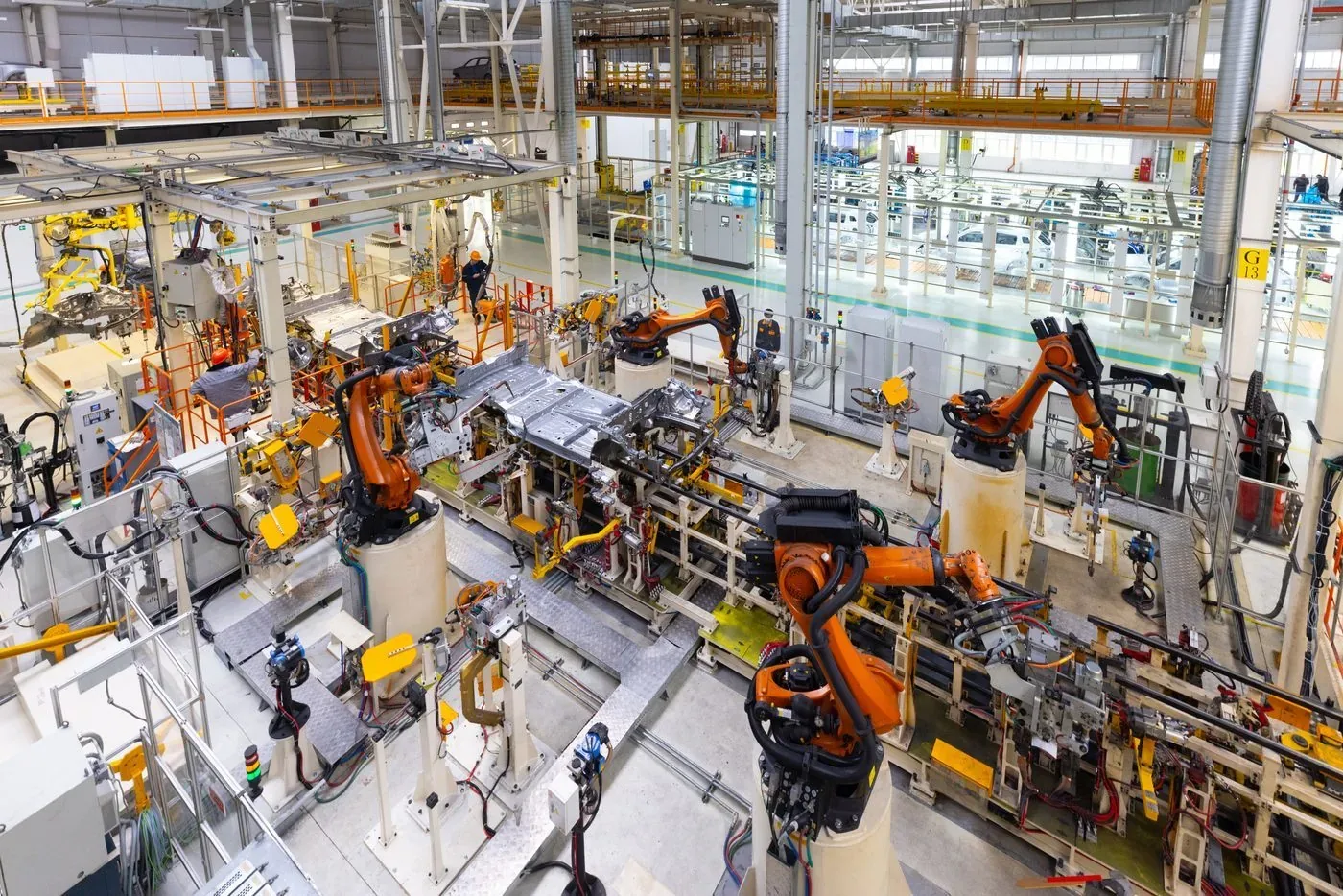
Manufacturing plants in Iraq typically run aging motor-driven production lines, compressed air systems, and process heating equipment under inconsistent grid conditions. MesoAxis works with production and maintenance teams to identify where energy, capacity, and reliability are being lost across these systems.
Across Kurdistan and the wider Iraqi manufacturing base, production facilities frequently operate on a mix of national grid supply and on-site diesel or gas generation, with switching between sources occurring multiple times per shift. Electrical and mechanical equipment installed during earlier investment cycles often continues in service well beyond its original design life, with motor rewinds, drive replacements, and control upgrades carried out incrementally rather than as part of a coordinated plan.
Maintenance teams generally combine in-house technical staff with periodic support from equipment suppliers and independent contractors, and production schedules are often adjusted around power availability rather than the reverse. These conditions create a layered set of energy and reliability issues that are difficult to see from utility bills or production reports alone, which is why facility-level measurement is the starting point for any engineering assessment.
Key Challenges
- Frequent grid outages requiring reliance on diesel or gas generators
- Aging motor fleets and drives operating outside their original design efficiency
- Compressed air and process heating systems sized for past production levels
- Limited instrumentation that obscures real energy and capacity consumption
Typical Inefficiencies
- Oversized or poorly controlled motors running without variable speed drives
- Leaking compressed air networks and oversized compressors running continuously
- Process heating and cooling systems operating without proper insulation or controls
- Production schedules that leave major equipment idling at full load during low-output periods
How MesoAxis Engages
- Energy audits that map electrical and thermal consumption across production lines
- Power quality and electrical assessments to reduce losses and protect equipment
- Industrial process optimization to match equipment operation with actual production demand
- Monitoring and measurement systems that provide ongoing visibility into plant performance
- Maintenance planning that keeps motors, drives, and compressors operating at design efficiency
Example Systems Involved
- Induction motors and drives
- Compressed air systems
- Process heating equipment
- Conveyors and material handling
- HVAC and ventilation
- Electrical distribution and switchgear
- Standby generators